



Festivals of Nepal 2023
Gai Jatra - 1 Sept 2023
Gai Jatra is primarily celebrated in Kathmandu valley, with a procession of people, often dressed in unique and colorful costumes, who take to the streets with decorated cows or young boys dressed as cows. The procession is meant to commemorate loved ones who have passed away during the previous year.
During Gai Jatra, people also engage in music, dance, and street performances. Satirical skits and comedy acts are common, as the festival is known for its humor and satire. It is believed that humor helps to alleviate the grief and sorrow associated with losing a loved one.
Mani Rimdu in Tengboche
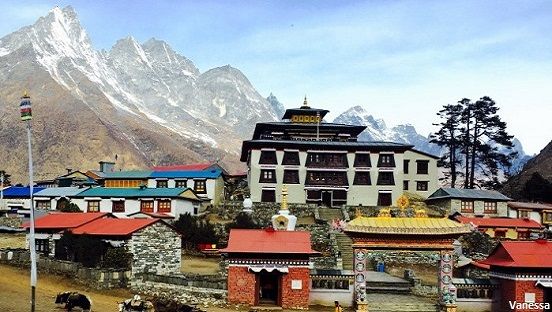
Mystic Mask dancing, soft and rhythmic chanting and prayers at the monastery and blessing ceremonies by learned monks in the hidden Shangrila of Mt Everest make it a lifetime experience. Mani Rimdu is the most colorful festival celebrated by Sherpas of Everest national park. Located at the 3,800 m ridgetop, the biggest monastery of the region, Tengboche monastery is looking at Mt Everest and other spectacular peaks of Everest. Monks performing occult dance meditate for about nine days prior to the festival. Last three days are celebrated with mask dancing and blessings by learned monks in public. Mani Rimdu is celebrated in commemoration of the victory of Guru Rinpoche (Padmasambhava) in establishing Buddhism in Tibet. The mask dancing exhibits conquest of demons creating obstacles and their conversion into Dharma protectors.
Summer festival of Nepal 2023
Due to the Lunisolar calendar, the dates of festivals change every year. This Nepali year (B.S 2080), the summer festivals are postponed towards early autumn.
Ropain festival - 30 June 2023
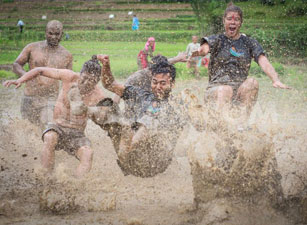
Ropain festival or Asar 15 signifies an important day in Nepalese life where 80 % people still peruse agriculture. Ropain means plantation and it is related with rice plantation. Rice is staple food of Nepal. The seedlings that is sowed with pre-monsoon rainfall, is transplanted in the paddies on the day. Working continuously in sun, rain and mud is strenuous especially when farmers have to catch up with the right rainfall. The time for farmer is to ‘reap quintal by sowing kilo’. The ‘Ropain festival’ makes them forget their stress and share some jolly moment. The festival creates a fun filled aura with singing, dancing and splashing mud on each other. Special sweetened yogurt with rice is offered as delicacy of the day.
Gosaikunda trekTravel tips for September
Nepal Travel tips for Monsoon
Monsoon months are best time to visit Tibet and trans-Himalayan regions of Neplal.Gathemangal (Gantakarna) - July 15
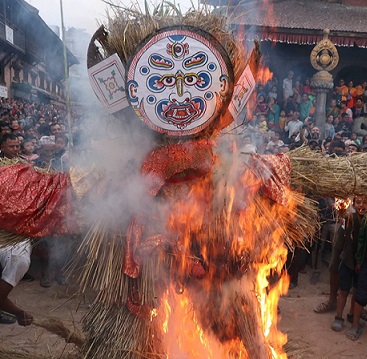
Gathemangal is a festival celebrated in summer month of July or August based on local lunar calendar. It is based on legend of demon Ghantakarna who troubled locals and was later drowned in a swamp by a frog. People commemorate the festival by creating a demon out of the straw in the town squares and later burn it. They also clean their houses, wear iron rings and nail three prong metal above their doors to ward of the evil. Special dish of ‘Samye baji’ is prepared as served in each home.
Teej - 19 August 2023
Teej is a Hundu married woman's day for her man. Married and unmarried women crowd Pashupatinath and other temples of lord Shiva. Women dressed in beautiful red saris with shining glass beads (Pote), singing and dancing is a common sight during this festival as women recall Parbati's devotion to her husband Shiva. It is believed that married women fast on this day for longivity of their husbands and will see the bond of love grow. Unmarried women fast on this day to have good looking husbands.
Married women visit their father's homes. All daughters and sisters receive gifts from their male kin, and an elaborate feast is prepared for them. It's a loud and cheerful celebration until late at night, when strict fasting begins. The blessings of Shiva and Parbati ensure tht family life will be joyous for all.
Janai Purnima - 30 August 2023
The full moon day festival is about reciting Bedic mantras and changing sacred thread of Hindus. Pilgrims crowd in shrines to receive welfare thread around their wrist. Pilgrims from far flung places visit Gosainkunda (sacred lake). They prey to lord Shiva by bathing in the sacred lake. Kumbheswar Mahadev temple at patan is also crowded with pilgrims where a pond is specially prepared for festival.
Join the procession of Shamans and pilgrims on the trek to Gosaikunda Lake (4,380 m). Gosaikunda Mela
Autumn festival of Nepal 2023
Tihar Festival 10 - 15 November 2023
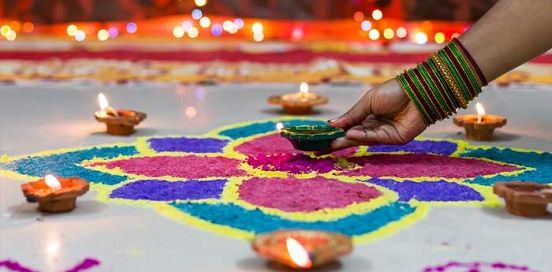
Tihar is the most colorful festival of Nepal celebrated with lights, colors, flowers, singing and dancing for five days. Houses and temples are decorated with flowers and illuminated with oil lamps and lights. Colorful ‘Mandalas’ (sacred circular designs) are made in the courtyards and squares to welcome goddess Laxmi. Group of Youths and kids go from houses to houses singing special Tihar blessing songs.
Tihar is another colorful Nepali festival celebrated in autumn. The five days festival is dedicated to Yama, the god of death and Laxmi, the goddess of wealth. Tihar is known as festival of lights as houses and temples are lightened up with oil-wick lamps and candles. Old markets are bedecked with piles of colorful flowers, garlands and ritualistic objects. Fireworks lightens the sky in the evening.
Kaag Tihar 10 November
Kukur Tihar 12 November
Laxmi Puja or Gai Tihar12 November
Govardhan Puja & Mha Puja14 November
Bhai Tika 15 Nov 2023
Mani Rimdu 2023 8 - 10 November
Mani Rimdu is the most important festival of Tengboche monastery in Everest national park. The monks go through various sacred ceremonies of empowering the participant monks for about 19 days. Last three days are celebrated with mask danicing and blessing by learned monks in public. Mani Rimdu is celebrated in commemoration of establishment of Buddhism in Tibet by Guru Rinpoche ( Padmasambhava ) some 1200 years back. The mask dancing exhibits conquest of demons creating obstacles and their conversion into Dharma protectors. The dances also express importan Buddhist teachings. This is concluded by a special blessing ceremony given by Tengboche Rinpoche to the public and the world renowned mask dances performed by the monks at Tengboche Monastery.
Join Mani Rimdu festival trek
Join Tengboche trek for Mani Rimdu festival from 12 - 14 November. This is a short Everest trek to Tengboche monastery and spending time there participating the main events of the festival.Events in mani Rimdu Festival :
- Preparations including making the sand mandala and Tormas.
- Drupchen ceremonies (auspicious ceremony for compassion, and wisdom)
- Monks practice dancing without masks
- Giving the blessing to the general public (Wong)
- Famous Mask Dances performed by the monks in a special day long ceremony. Afterwards the Sherpa community sing and dance the whole night long.
- Concluding fire puja ceremonies.
Rent Car in Nepal
Rent safe car in Nepal during the Covid 19 pandemic. Our cars have driver cabin; vehicles are disinfected after each use and seat covers are washed.Indra Jatra - 28 September 2023
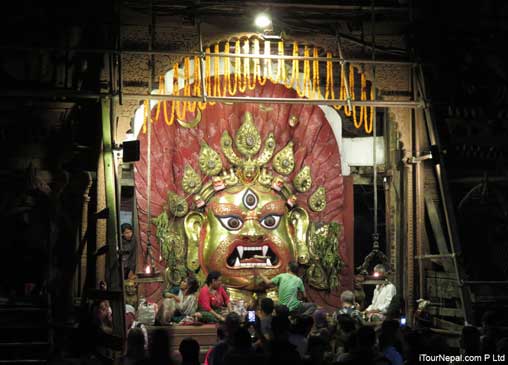
The largest street festival of Nepal is celebrated with mystic mask dancing and pulling the chariot of the living goddess 'Kumari'.
It is believed that many centuries ago, Indra's (King of Heaven) mother needed specially scented flowers (Parijat). Indra looked for them but couldn't find them in heaven. Indra discovered parijat flowers in the Kathmandu valley and tried to steal them for his mother. He was caught and imprisoned by people in the valley. Indra's mother came searching for him and the people were shocked to know what they had done. They released Indra and dedicated one of the most colorful festivals of Nepal to him to calm down his anger. This festival lasts for eight days with singing, mask dancing and jubilation. The chariot of Kumari, the Living Goddess along with chariots of Bhairab, and Shiva are shown to the public. Various masked dances like Pulu Kishi (elephant dance), Lakhe, Sawa Bhaku and Mahankali dances are performed at various places. Indra is thanked for the rains and assured once again that he is respected in the Kathmandu Valley.
Dashain 2023 - 15 - 24 October
Dashain is the longest and most favorite festival of Nepal. Dashain falls in the bright lunar fortnight of October and ends on the full moon day. First nine days are celebrated with Tantric rituals worshiping nine different aspects of ‘Durga’ (mother goddess).
As the skies clear up after monsoon rain, children fly kites. Big swings are set on the grounds for children and grown ups alike. Animals like buffaloes, goats, ducks and chickens are sacrificed to the goddess Durga on Kal Ratri (the dark night) to celebrate her victory over evil. Following day, on Nawami, people clean their vehicles and sacrifice animals or eggs for safe journey throughout the year. The next day, on Dashami (Tika), people dress up well and visit elders to receive large red tikas of vermilion paste on their foreheads. In the following days of Dashain, families are friends unite, feasts are consumed, blessings are imparted and gifts are exchanged.
Nepal festival in Spring 2023
Bisket Jatra 2023 April 14 - 21
Bisket Jatra is the Nepalese New year and spring festival celebrated in Bhaktapur. On the first day, a large 25 ft pole is erected merely pulled by hundreds of locals. Then the Lord Bhairava and the goddess Bhadrakali are kept on the huge handmade wooden chariot with wooden wheels and are pulled around the cobblestone streets of Bhaktapur. A tug of war begins between the eastern and western part of the town to pull it towards their direction. On the last day two chariots are rammed to symbolize the mating and creation which spring is about.
Vesak day 2023 May 26
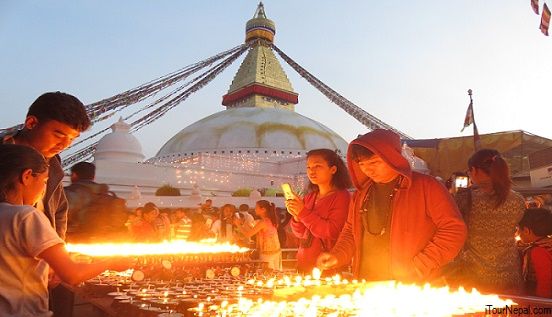
Buddha Purnima or Buddha Jayanti festival is celebrated on full moon day of Nepali month Vaisakha (April / May). The day also known as Vesak day, has triple significance as Buddha was born, attained enlightenment and Nirvana on the day. It is the most important festival for Nepalese Buddhists but is celebrated with great zeal by all citizens.
Monasteries will have special pujas (ceremonies), stupas and Buddhist shrines will be white washed and decorated throughout Nepal. Paintings and books on Buddha’s teachings and scenes from Buddha’s life is exhibited. Thousands of pilgrims throng in important Buddhist center like Lumbini, Boudhanath and Swyambhunath. Gifts, food and cash is distributed to aged, handicapped and sick in charity homes and Buddhists centers in a bid to bring happiness to the unfortunate ones. It is beautiful in the evening when these monuments illuminate with hundreds of butter lamps.
Tiji (Teechi) Festival
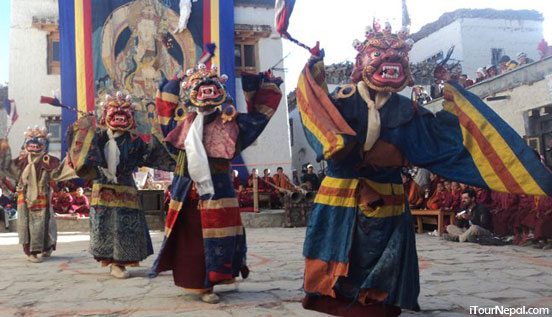
The Tiji (Teechi) festival is an annual event indigenious to Lo - Mangtang (Upper Mustang). The name is an abbreviation of the word "Tempa Chirim" which means the victory of Lord Buddha's incarnation "Dorjee Sonnu" over a demon called Man Tam Ru a vicious creature feeding on human beings and causing storms and droughts. The Tiji festival usually takes place during the last week on May and lasts for 3 days. Dances performed by the monks of Lo Manthang's "Choedhe" monastery during the celebration display.
Holi Festival - 8 March 2023
Celebrated in the joy of victory of good over evil, Holi has become the festival of color and love. The festival starts with Holika (demoness) bonfire on the eve berofe Holi. Next day, families, neighbors and friends celebrates by smering colors on each other and throwing water ballons. They share the delicious feast after active and exciting morning. Youngsters and children play whole day.
Shivaratri - 18 February 2023
On Shivaratri festival, devotees observe fast and keep vigil all night. Shivaratri marks the night when Lord Shiva performed the 'Tandava' - the cosmic dance. It is also believed that on this day Lord Shiva was married to Parvati Ma.
The festival take place at all Shiva temples, but particularly at Pashupatinath, hundreds of Sadhus flock from all over Nepal and India. In Yoga and meditations, the day is auspicious for the planetary positions causing easy rise of his / her energy. Another excitement that attracted youngsters and teenagers was on this particular day it is allowed to smoke hashish or Marijuana for gurus and yogis, which is considered as one of the prized possession of lord Shiva. With this trend, Pashupatinath area attracts thousands of teenagers where these illicit drugs are sold and bought openly on this day.